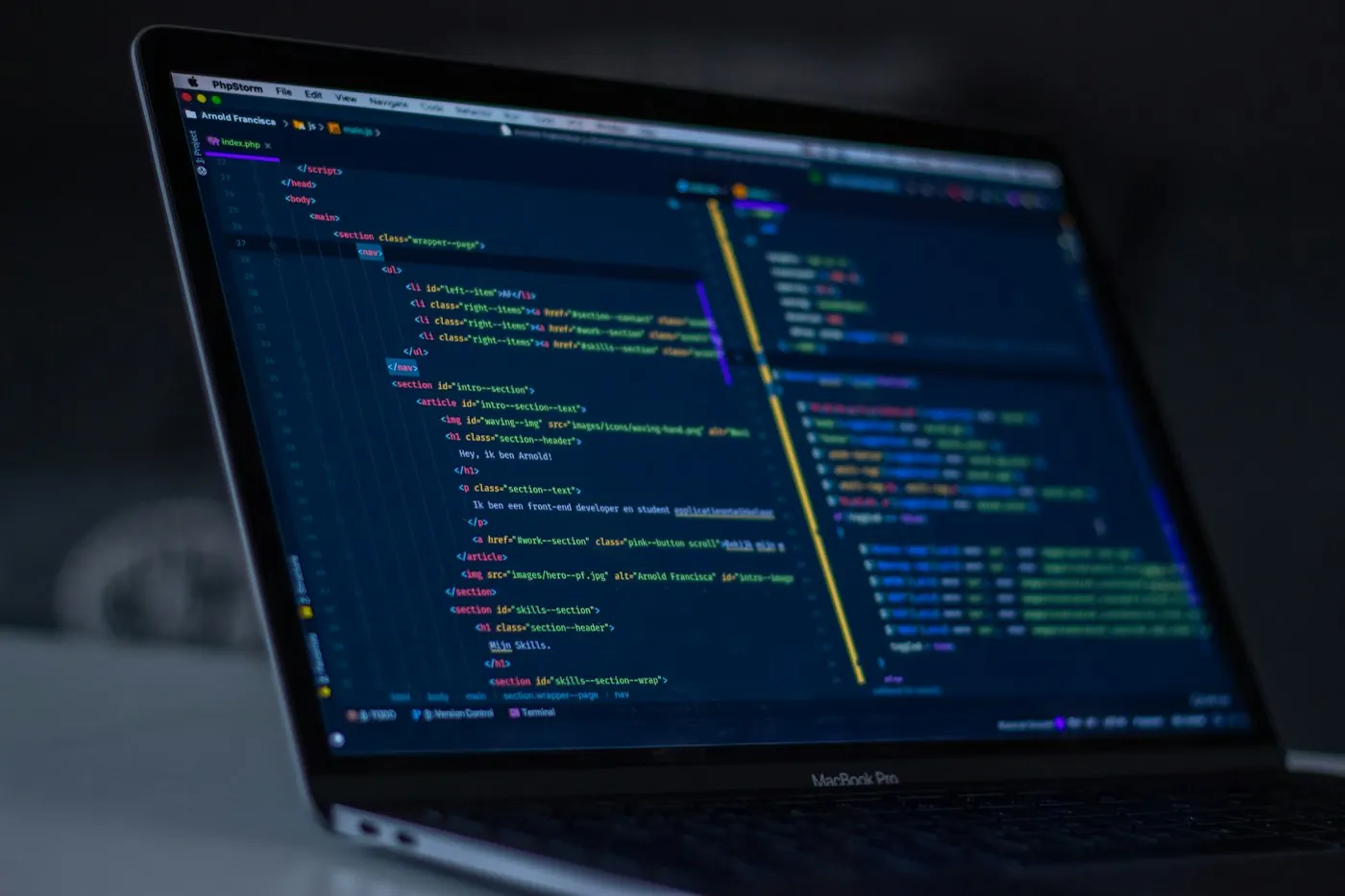
A photograph can contain thousands of pixels and still appear as a small thumbnail. The stored image has its own dimensions, while the interface chooses how much space it occupies. Confusing those two measurements makes image quality harder to explain.
A display may use more than one physical pixel for each unit of interface space. This can make a suitable high-resolution image look crisp, but extra detail is useful only if the viewer can see it at the chosen size.
Compare a picture at its actual display size before judging an export. Look at edges, small text, and fine texture. The useful question is whether the file carries enough detail for its purpose without carrying far more than the experience needs.
An example to consider.
Imagine checking an icon at the size it will actually appear. A crisp enlarged preview may hide how a small set of pixels communicates the shape.
Put it in perspective.
A helpful explanation gives the reader enough context to act. More detail can wait until the next question makes it useful.
- Distinguish image dimensions from display size.
- Inspect the result at its intended scale.
- Keep detail that helps the viewer.
Follow a related question
Identify the kind of service involved.
What we mean when we say “cloud”Ask which conditions the demonstration assumes.
Beyond a compelling demonstrationKeep learning
Related background to continue exploring this subject.
MDN: how the web works MDN: image file formats